When Columbus set across the Atlantic from the Canary Islands, it probably crossed his mind that he might just fall off the edge of the world after all.
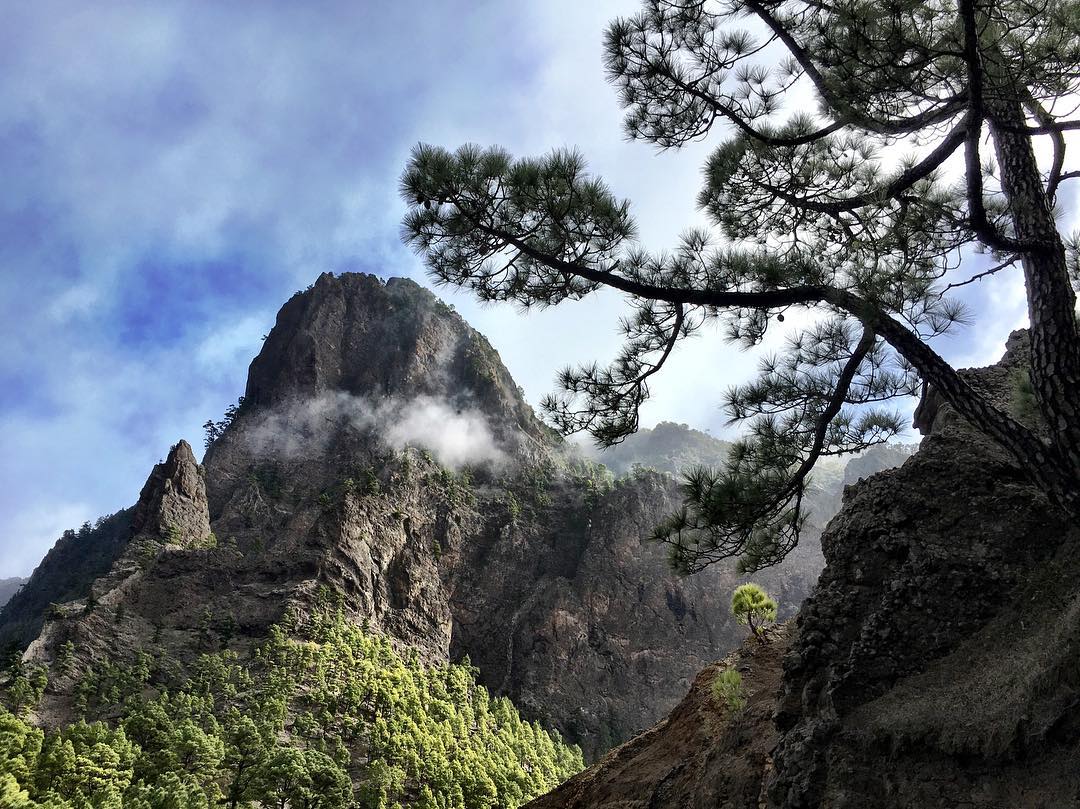
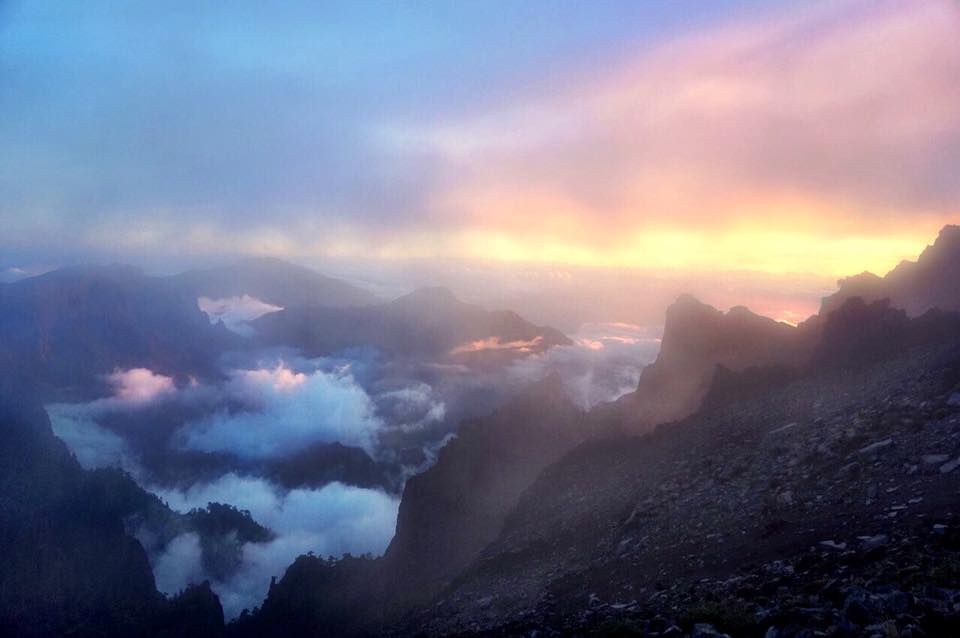
That’s certainly how Riccardo and I felt driving along the vertiginous, volcanic cliffs of the island of La Palma — mist-shrouded forest on one side; infinite, churning ocean on the other.
“What happens if we keep driving west from here?” Riccardo asked in Spanish when we stopped for coffee in the remote, northeastern village of Barlovento. “Anything worth exploring?”
We half expected the barman to warn us of a dragon’s lair — or at least a dinosaur hatchery. The whole island looks like a postcard from Jurassic Park.
But instead, he just shrugged casually. “I don’t know, I guess I’m just used to it,” he said. “Maybe it’s nice.”
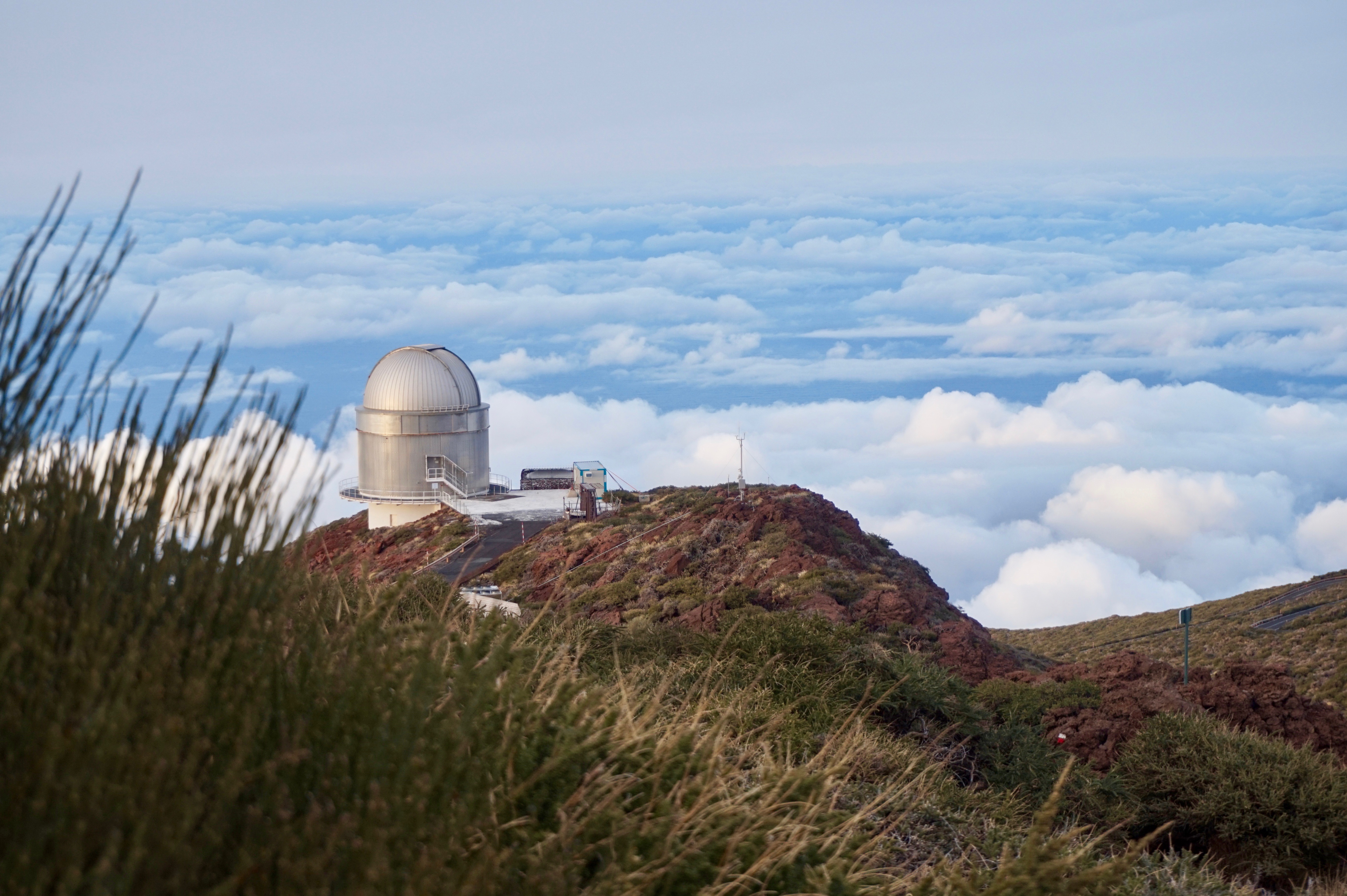
(As it turns out, west of Barlovento is the municipality of Garafía, home of the world-famous Roque de los Muchachos Astronomical Observatory, some 8,000 feet above sea level. Maybe it’s nice? Oh, maybe just the most spectacular place I’ve ever seen, anywhere. But more on that later.)
‘Maybe it’s nice’
The point here is “maybe it’s nice” could easily be the reluctant tourism slogan of an island that clearly wants no part of the package-resort industry that dominates its Canarian neighbors. Officially dubbed “La Isla Bonita,” La Palma is indeed a stunner, but locals seem much more concerned with preserving its reputation than marketing it.
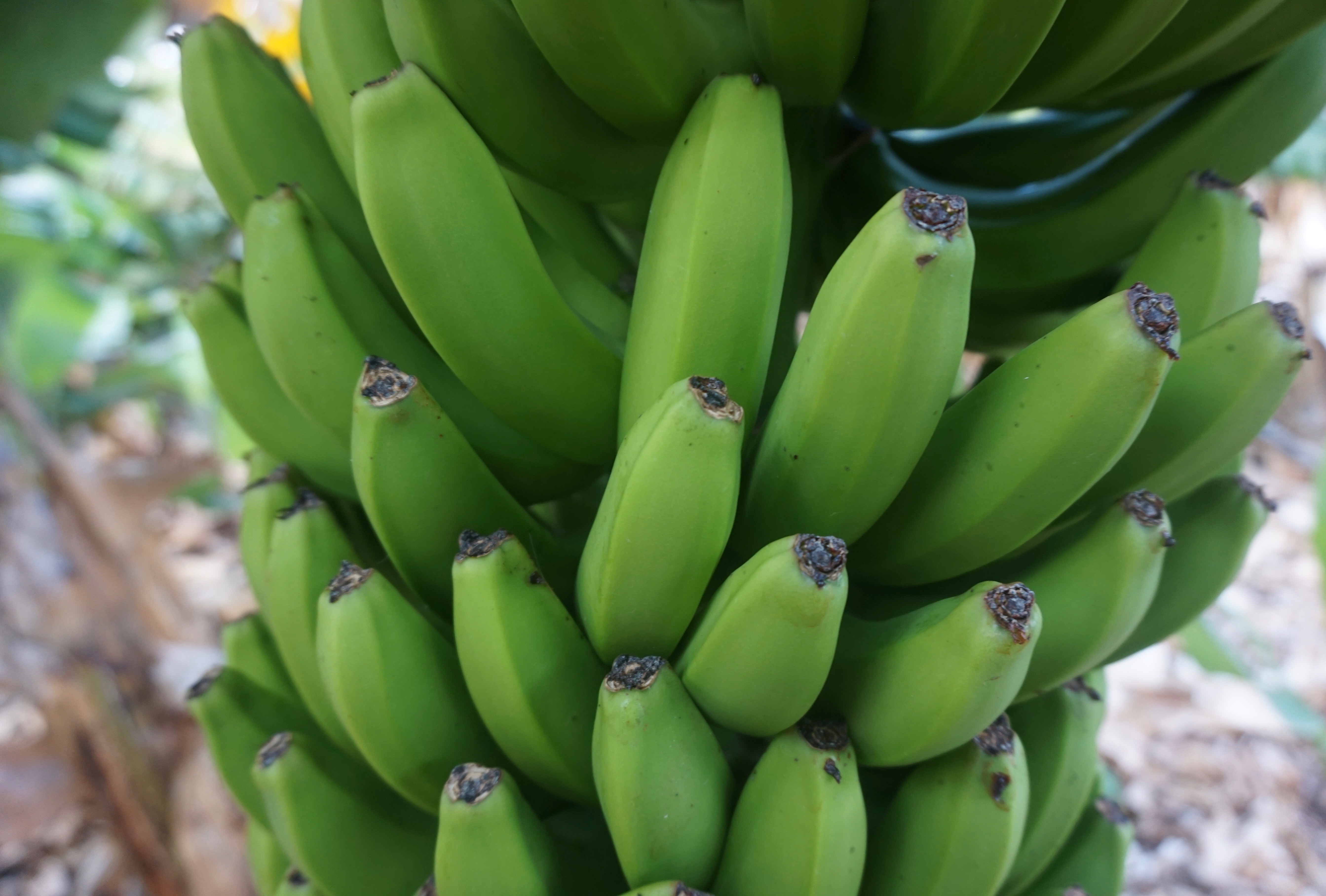
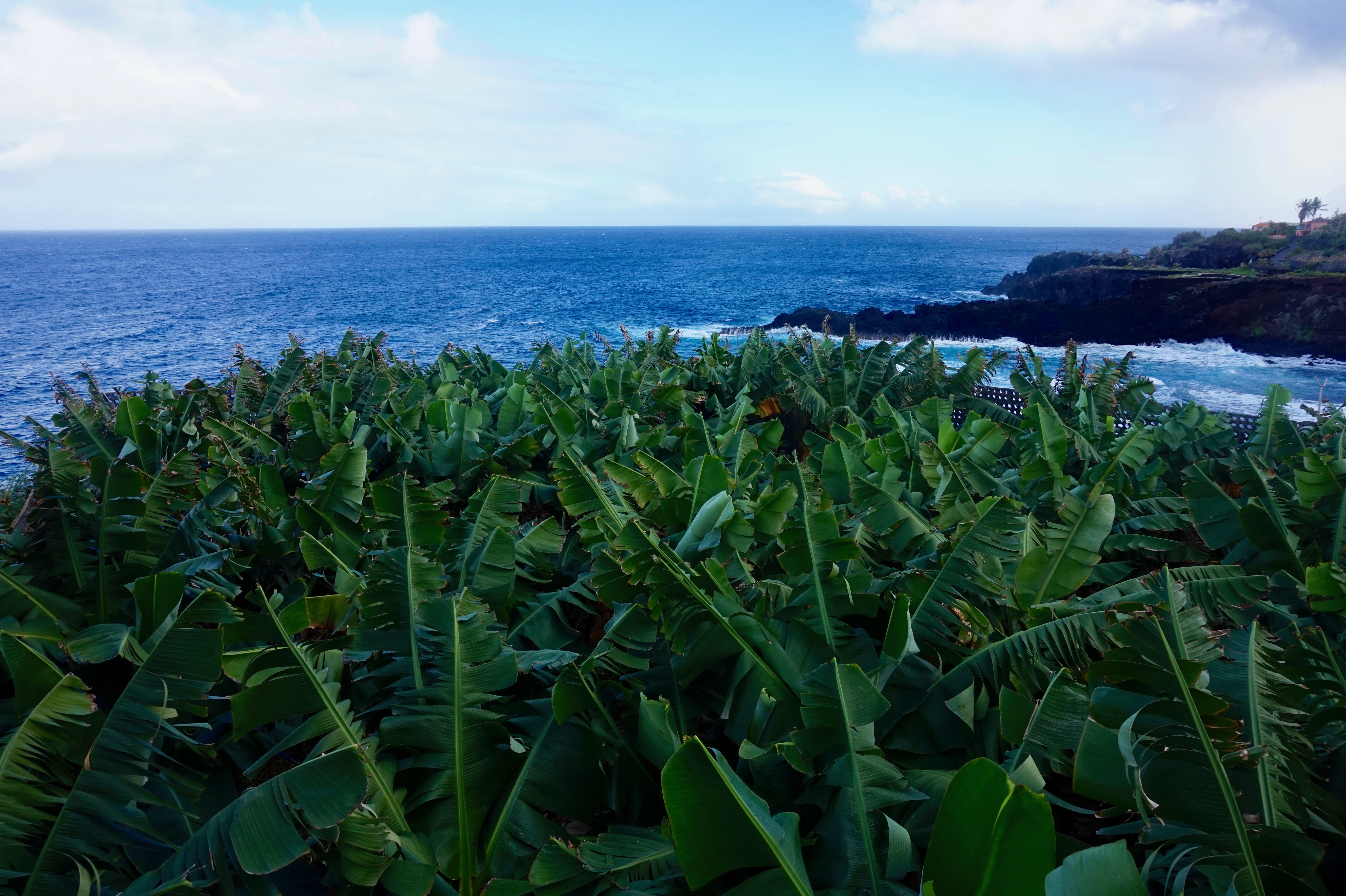
Tellingly, the only high-rises you’ll find on the island are the giant telescopes dotting its craggy ridges: in 2016, La Palma was named the world’s first starlight reserve, thanks to its famously clear night skies (and strict light pollution laws for keeping them that way). One of the world’s steepest islands, La Palma also boasts a staggering range of natural habitats and climatic conditions, which earned its designation as a UNESCO biosphere. And all along the coasts, emerald-green banana plantations — the EU-subsidized mainstay of La Palma’s economy — occupy what would otherwise be prime hotel real estate.
This awe-inspiring melding of heaven and earth — combined with good food and wine, friendly locals, fascinating history and affordable prices — make La Palma a paradise for the nature-loving, off-the-beaten-path traveler. But if there’s one drawback to the island’s laid-back approach to tourism, it’s that it can be hard to find practical information on where to stay, what to do and how to do it. There are several local tour operators that offer a host of intriguing excursions, ranging from trekking and whale watching to star gazing and wine tasting. But if you prefer the freedom of planning your own journey, as we did, here are some helpful things to keep in mind:
Where we stayed
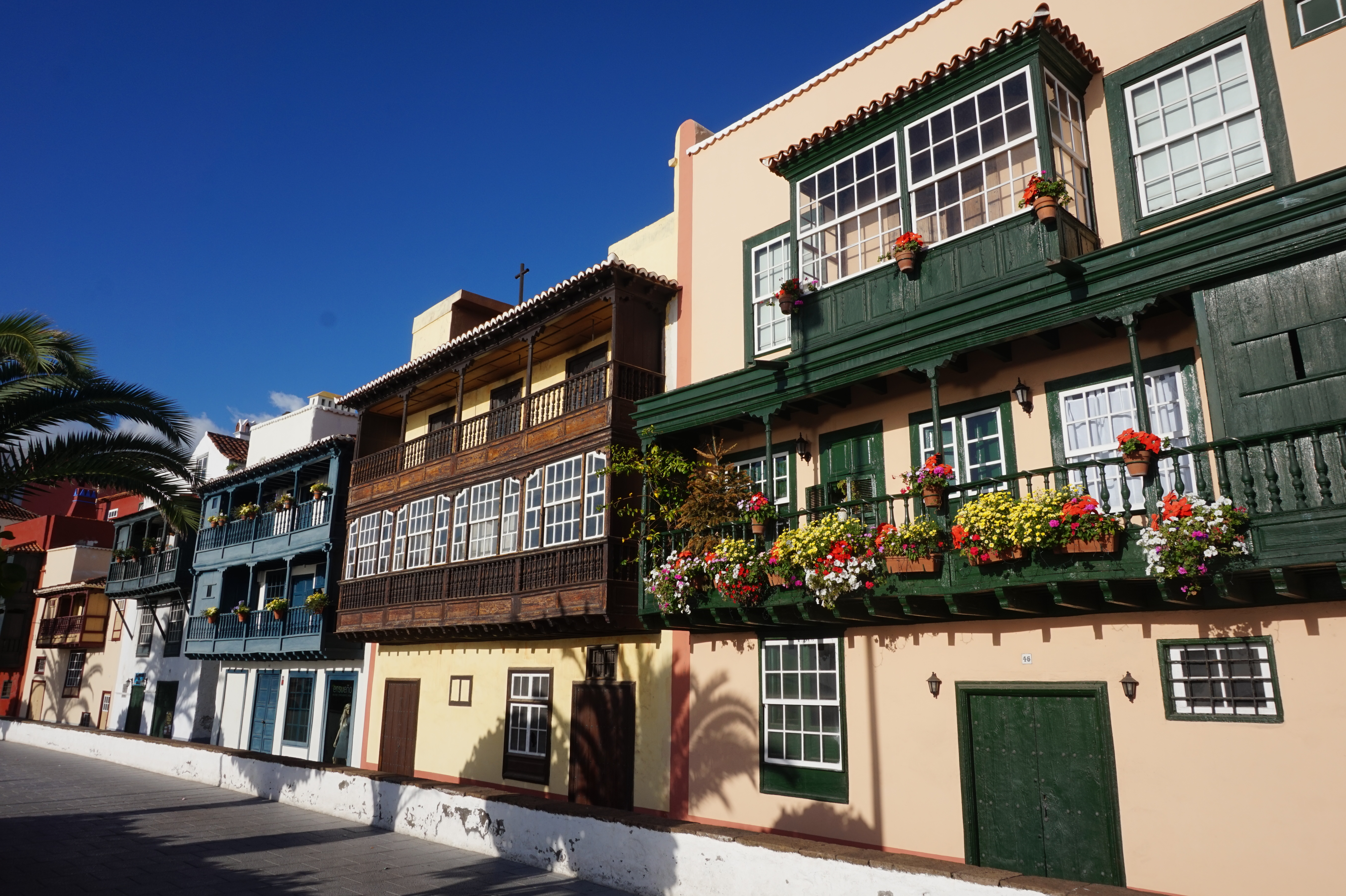
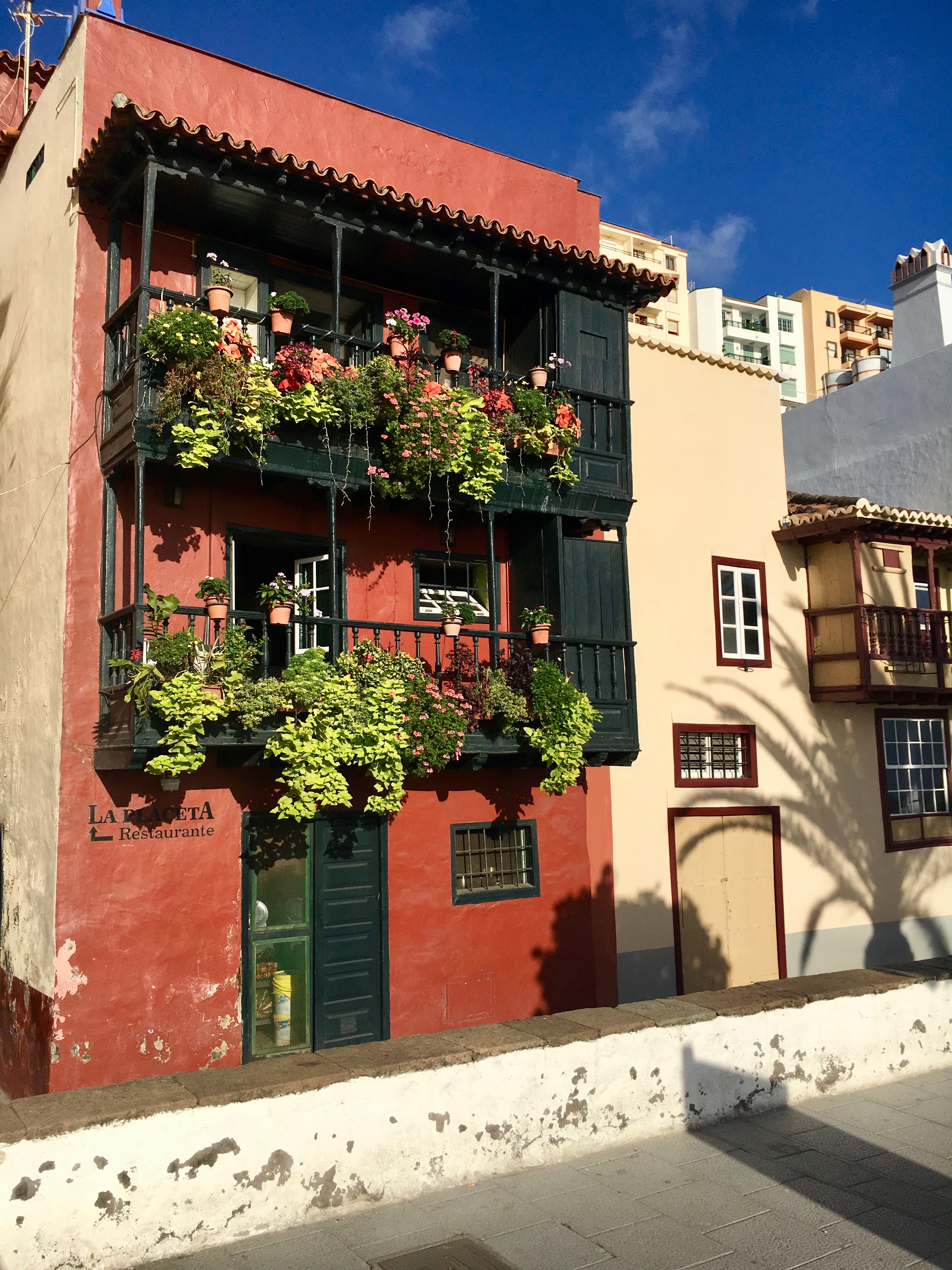
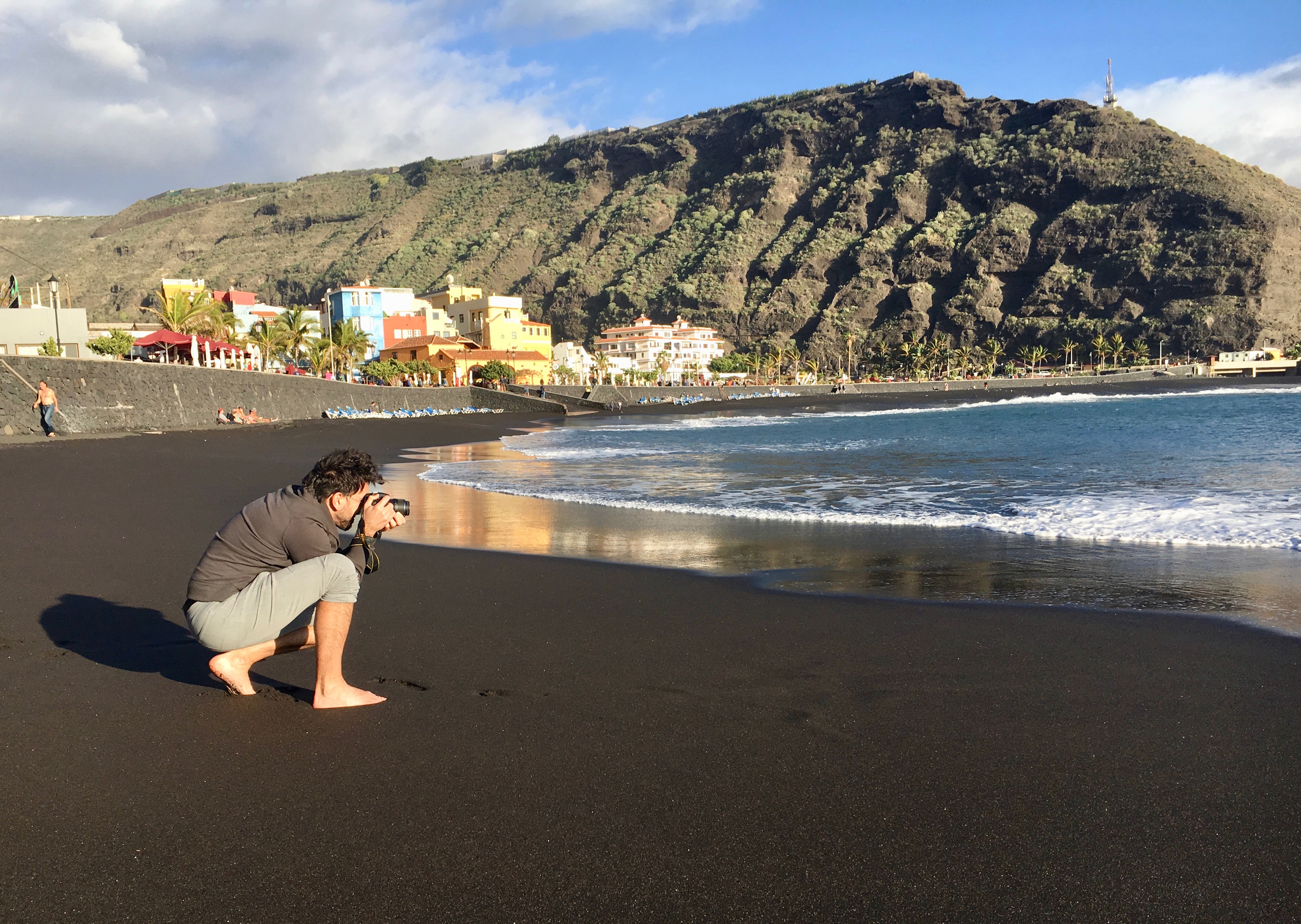
Our journey started in Santa Cruz de la Palma, the island’s small, but comely capital that once was one of Spain’s richest port cities, as the last stop between Old World and New. With colorful houses lining narrow, hilly streets and ornate, wooden balconies overlooking a palm-studded ocean boulevard, Santa Cruz could easily pass for a Caribbean town, were it not for its beaches of jet-black, volcanic sand.
We learned during our trip that most visitors flock to the west side of the island, near Los Llanos de Aridane, which is reputed to be warmer, sunnier and livelier than the east. But we didn’t regret our decision to stay in east-coast capital: we loved watching the sunrise over the Atlantic from our pretty Airbnb and enjoyed many a morning coffee (sometimes spiked with condensed milk, orange peel and island rum) along the Avenida Maritima. In the evenings, Placeta de Borrero provided a picturesque backdrop for cocktails and people-watching before dinner at Isla de Goya, La Placeta, the shoebox-sized Enriclai or the elegant El Ingeniero.
The town center also boasts a number of cultural offerings, including several churches, a food market, a concrete replica of Columbus’ ship, the Santa Maria, and a museum of island history housed in a Franciscan monastery. But for us, the town’s main draw was its location: within easy striking distance of the island’s verdant north, volcanic south and spectacular interior, it proved a convenient jumping-off point for exploring La Palma’s most precious gems.
What we saw
Volcanoes, vineyards and salt gardens
We kicked off our explorations with a drive down to Fuencaliente in the island’s windswept south. Dominated by the Cumbre Vieja volcanic ridge, Fuencaliente is home to two active volcanoes that you can get up-close-and-personal with, if you dare. For a small entrance fee at the visitor center, we took an easy walk around the perfectly formed crater of the San Antonio volcano, which offers impressive views down to its younger, more volatile brother, Teneguía.
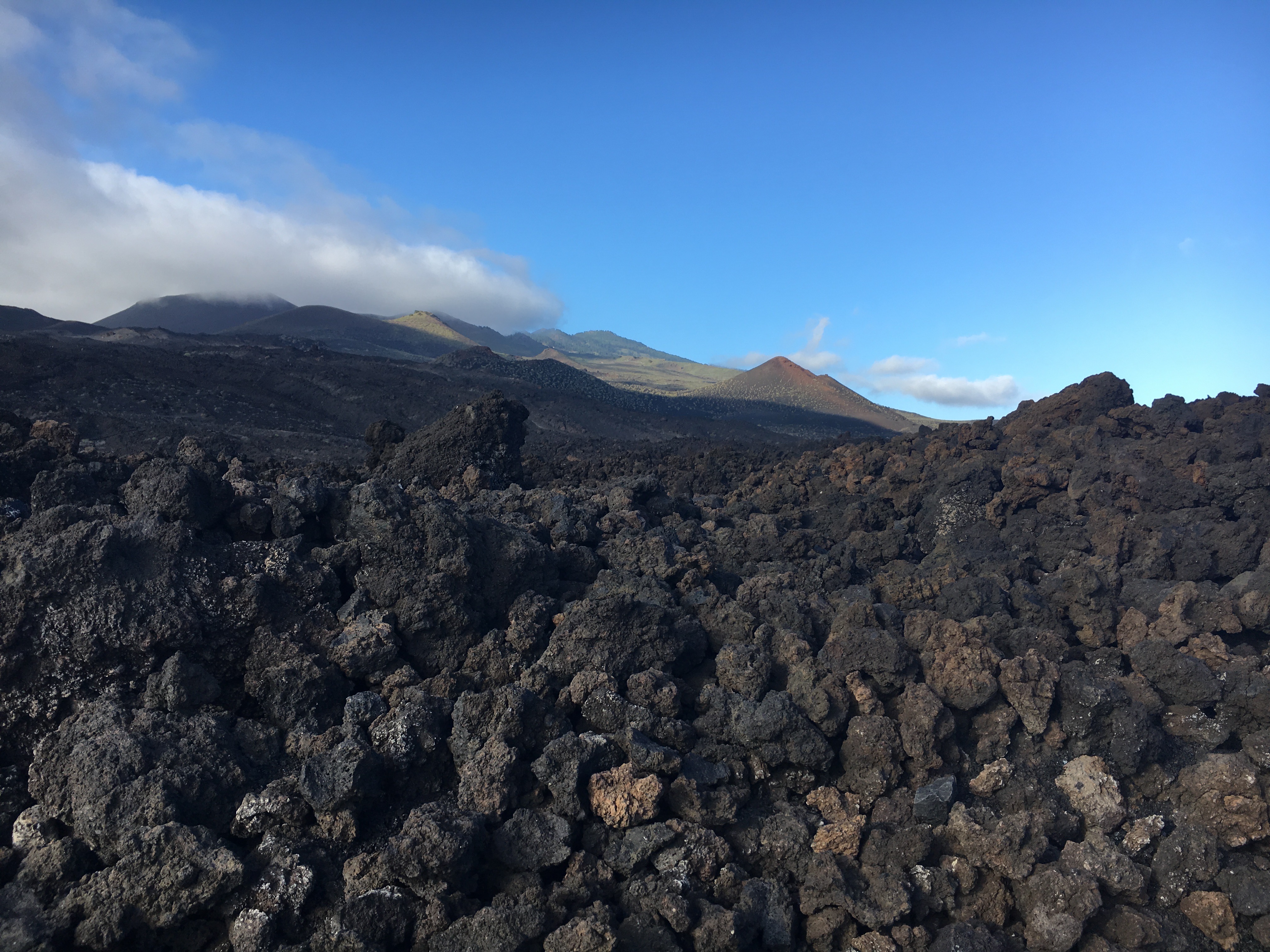
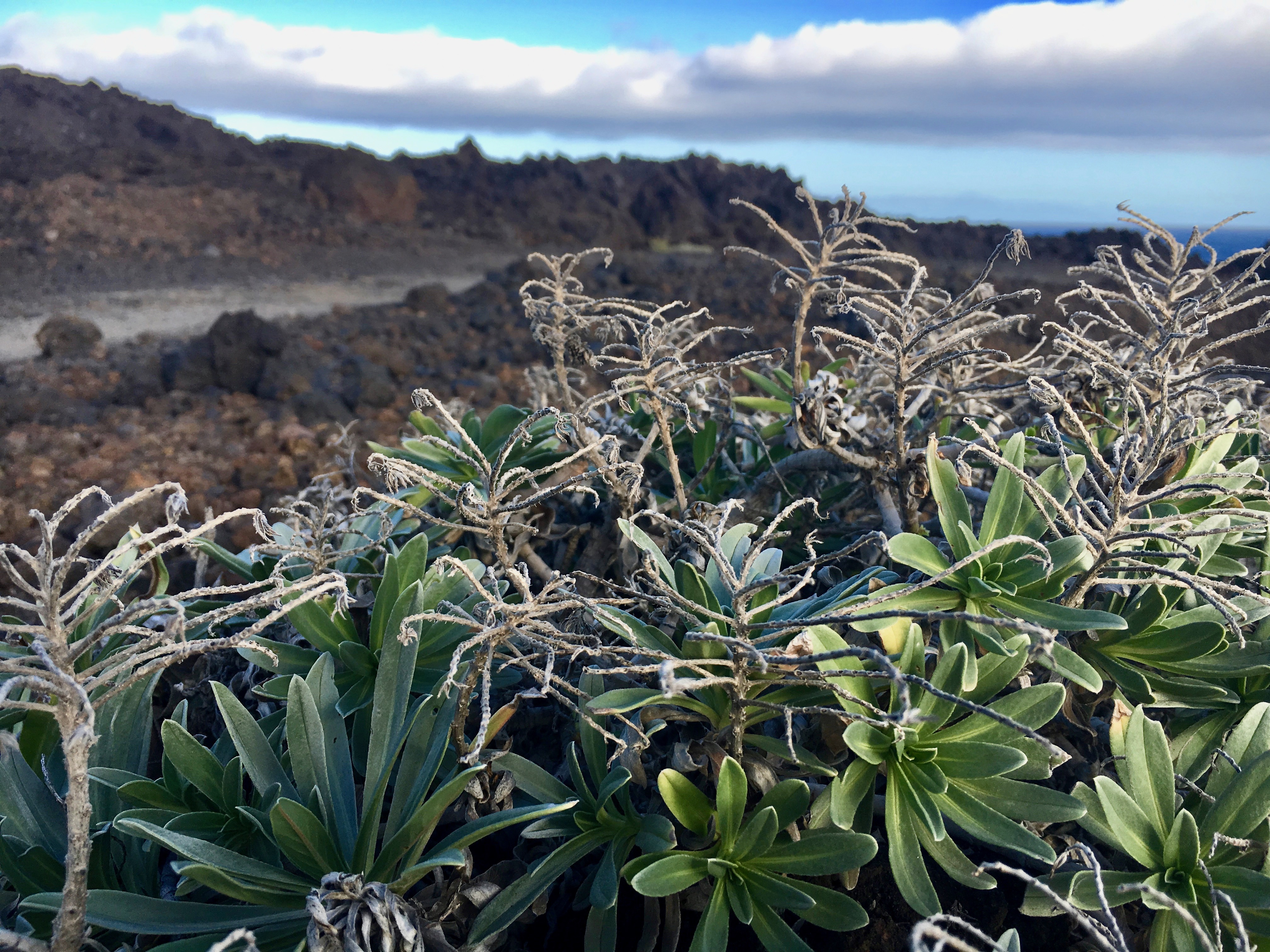
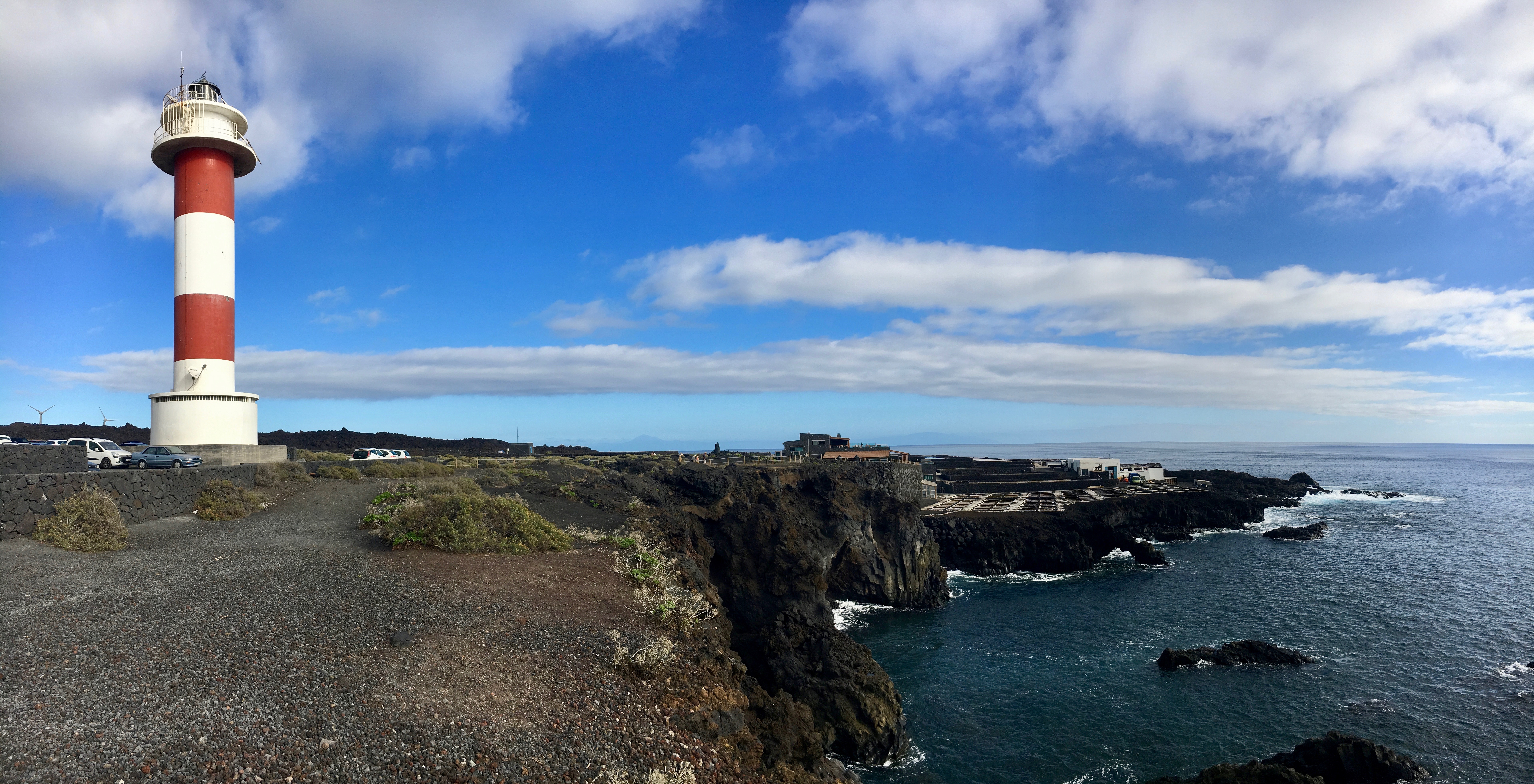
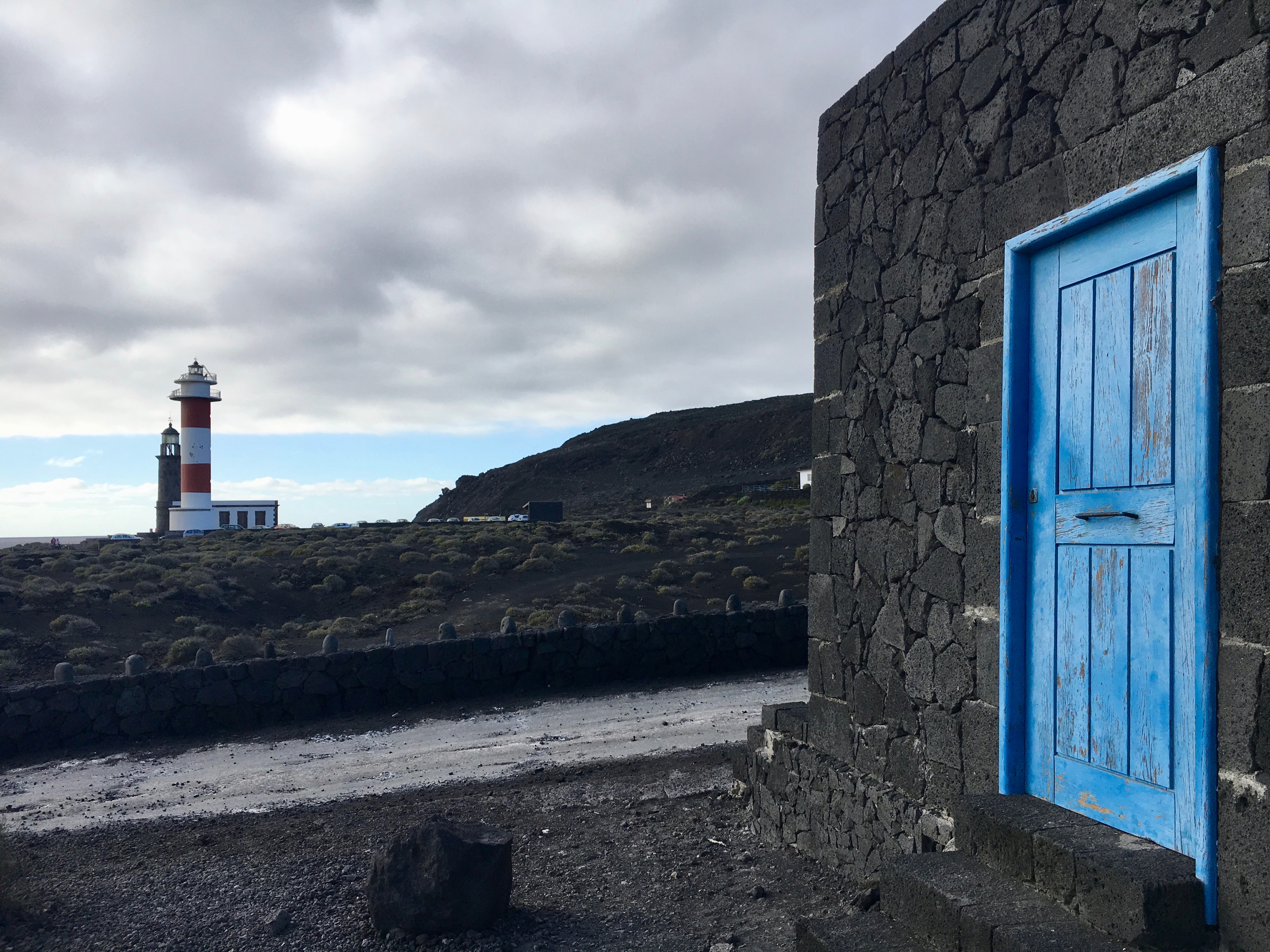
From San Antonio, it’s possible to hike down the black slopes and climb Teneguía, which last erupted in 1971 and produced Spain’s newest spit of land down by the Fuencaliente Lighthouse. We were feeling lazy, so we drove down to the lighthouse instead, but were no less humbled by the volcano’s might: descending into a desert of jet-black, hardened lava, we couldn’t decide if it looked like the apocalypse or another planet, but agreed it was one of the most striking landscapes we’d ever seen.
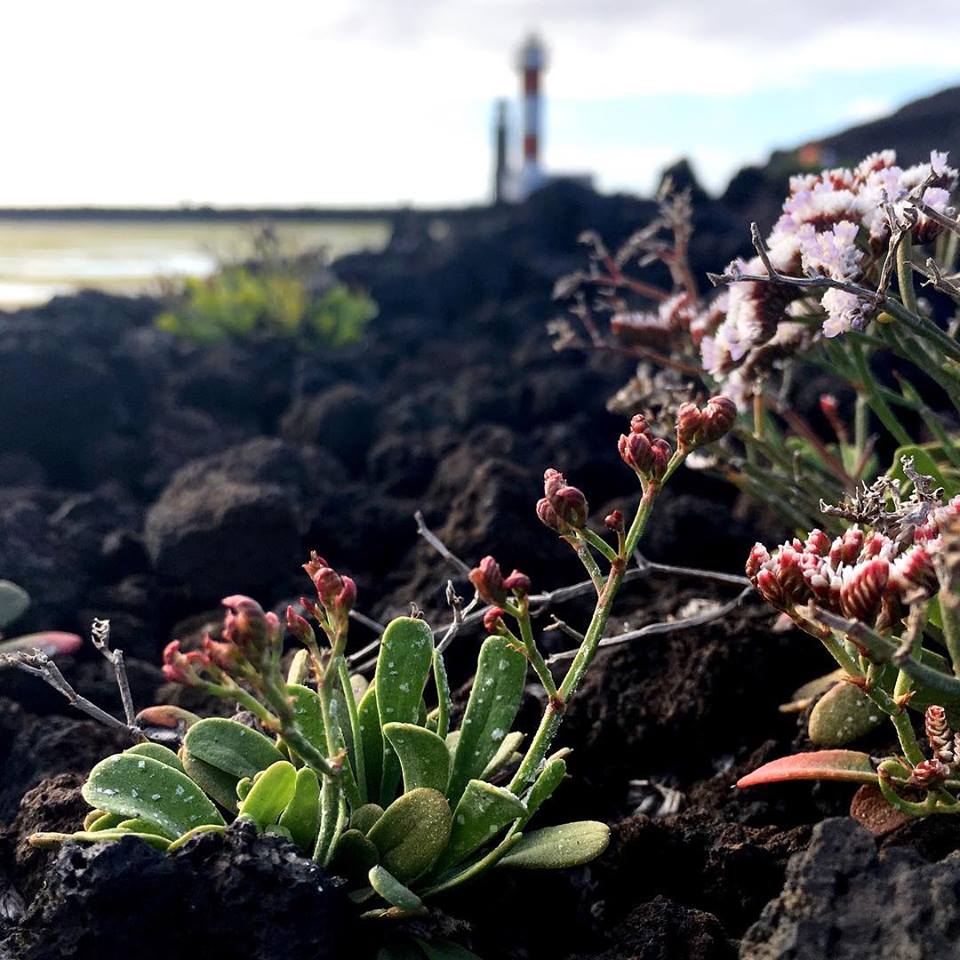
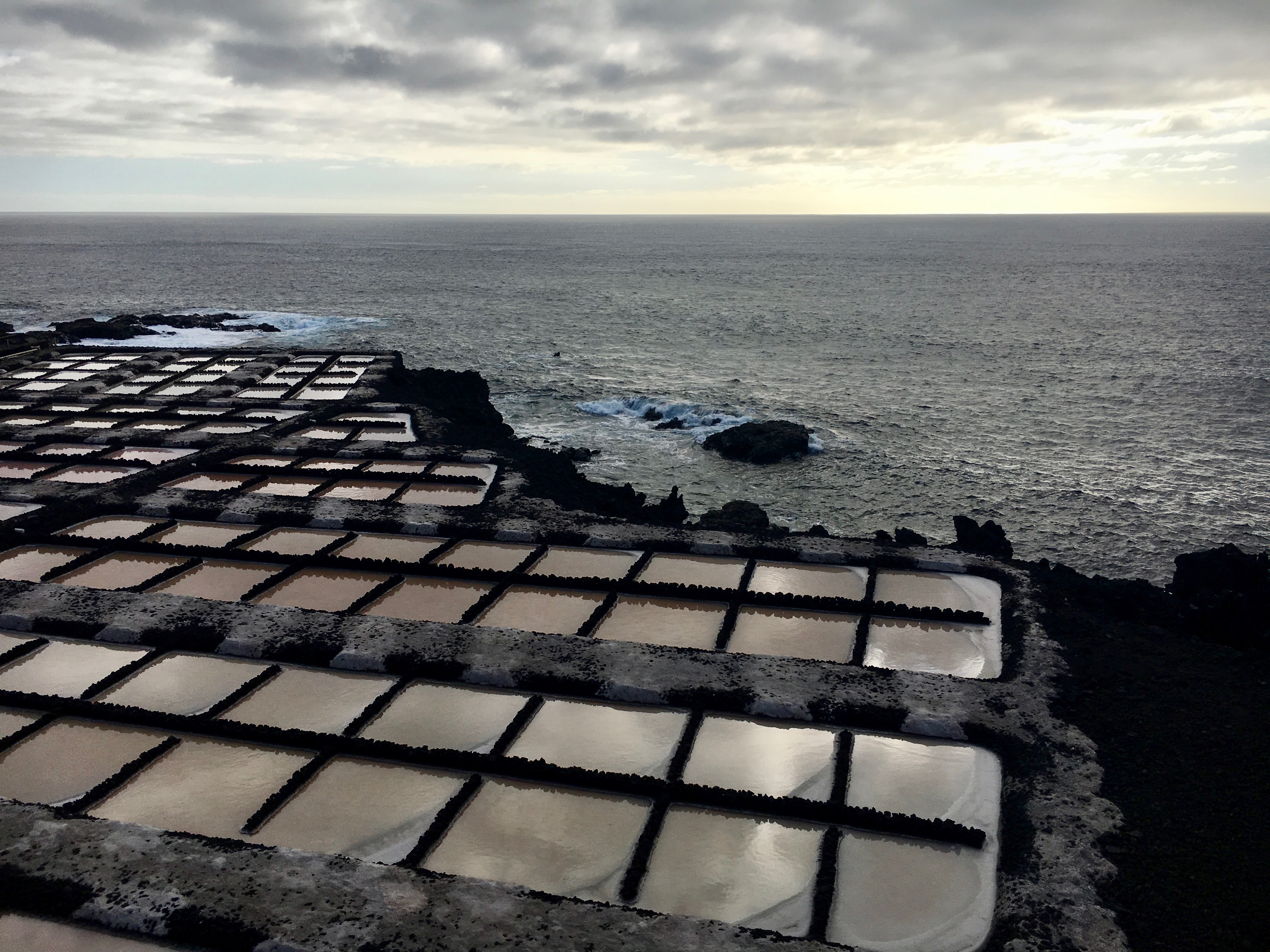
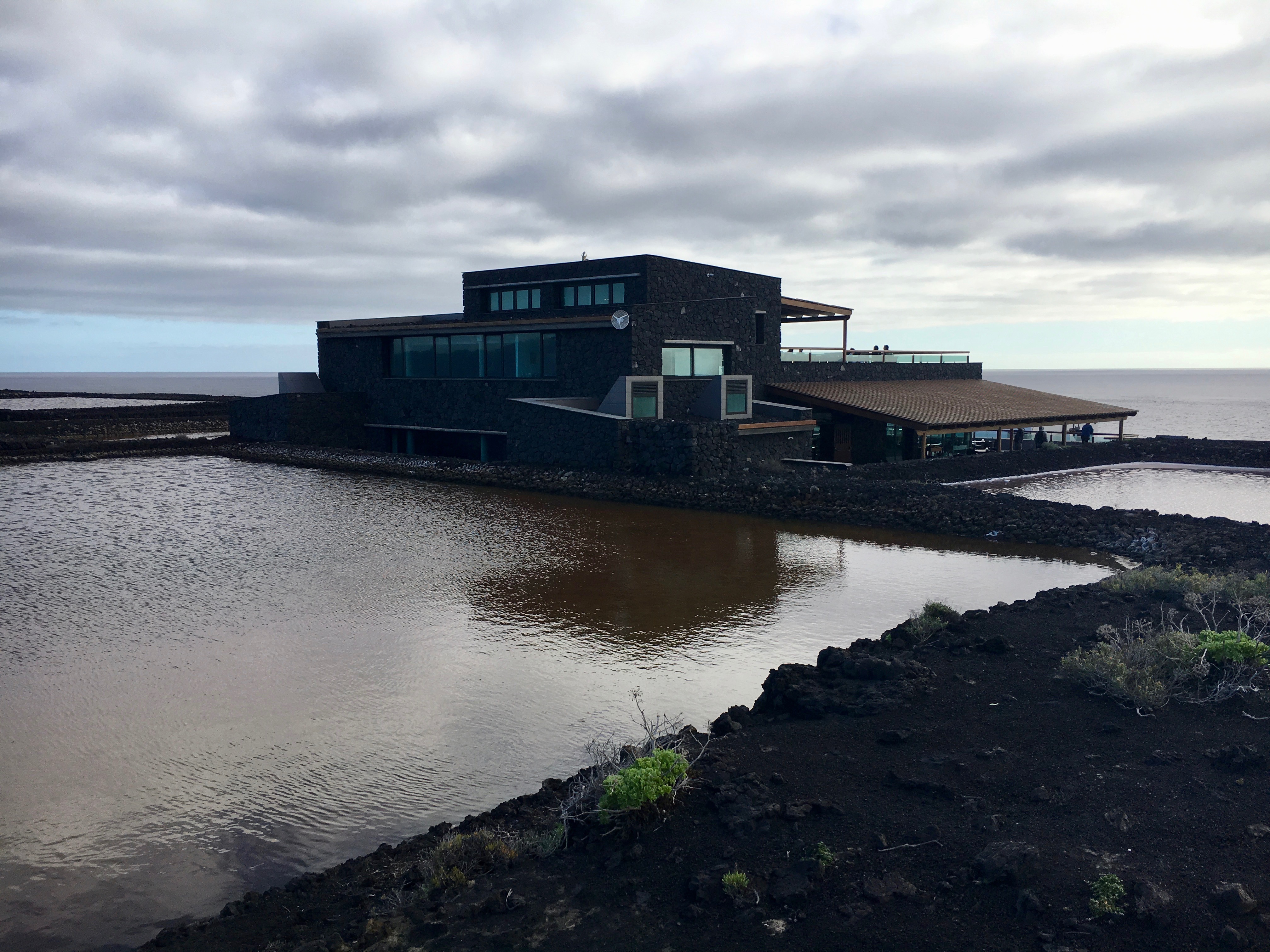
As bleak as this black moonscape appears, though, it turns out to be surprisingly giving: next to the lighthouse, mineral-rich sea salt is cultivated in grid-like saltpans carved into the lava. Nearby, hills of fertile volcanic soil nurture tomatoes, avocadoes, malvasía vineyards and a variety of livestock, in addition to the ubiquitous bananas. This full cornucopia can be sampled (alongside plenty of fish and seafood) at the rustic Casa del Volcán, near the San Antonio Volcano Visitor Center, and the more refined El Jardín de la Sal near the lighthouse.
Rum, rainforests and natural swimming pools
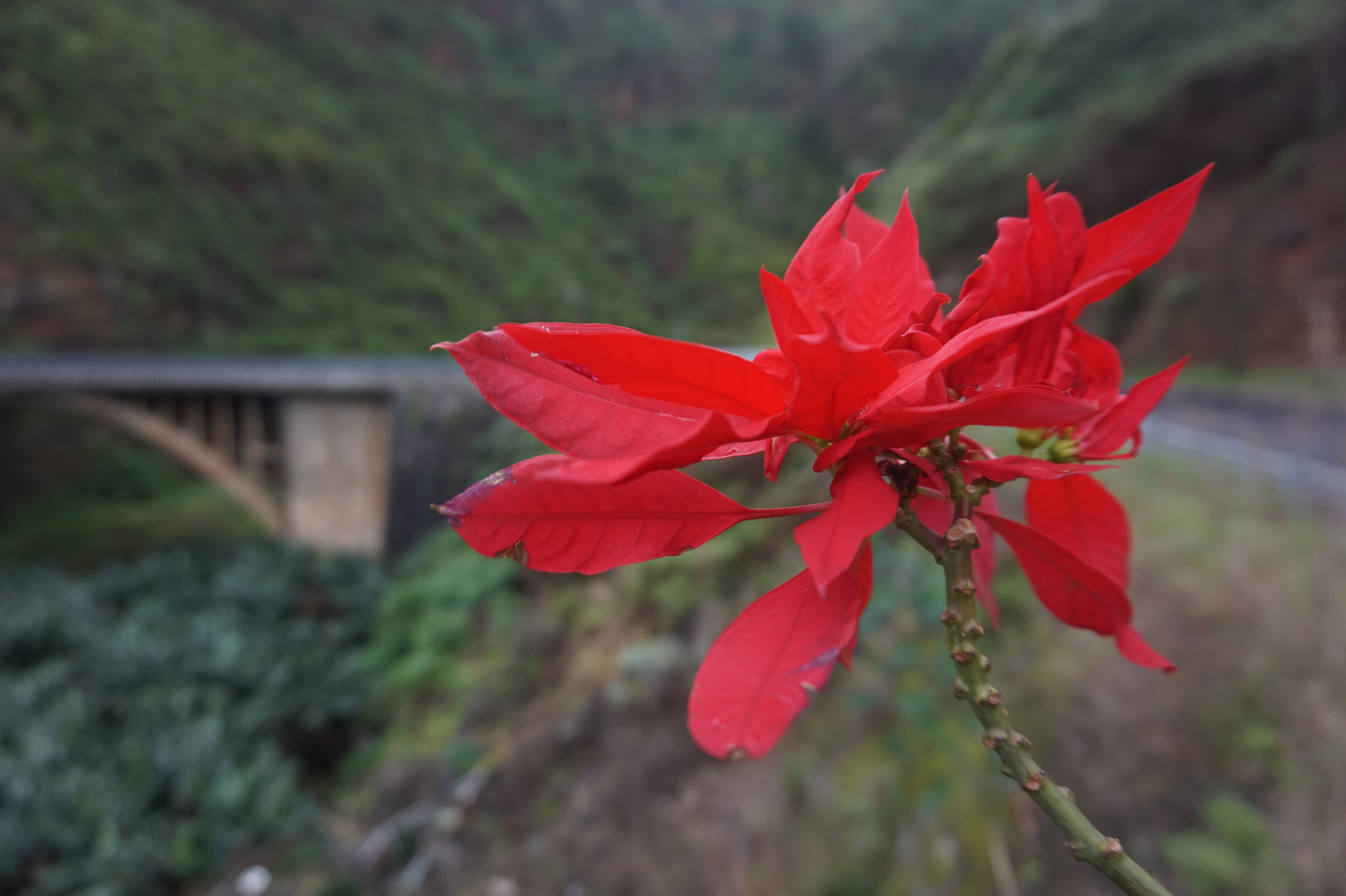
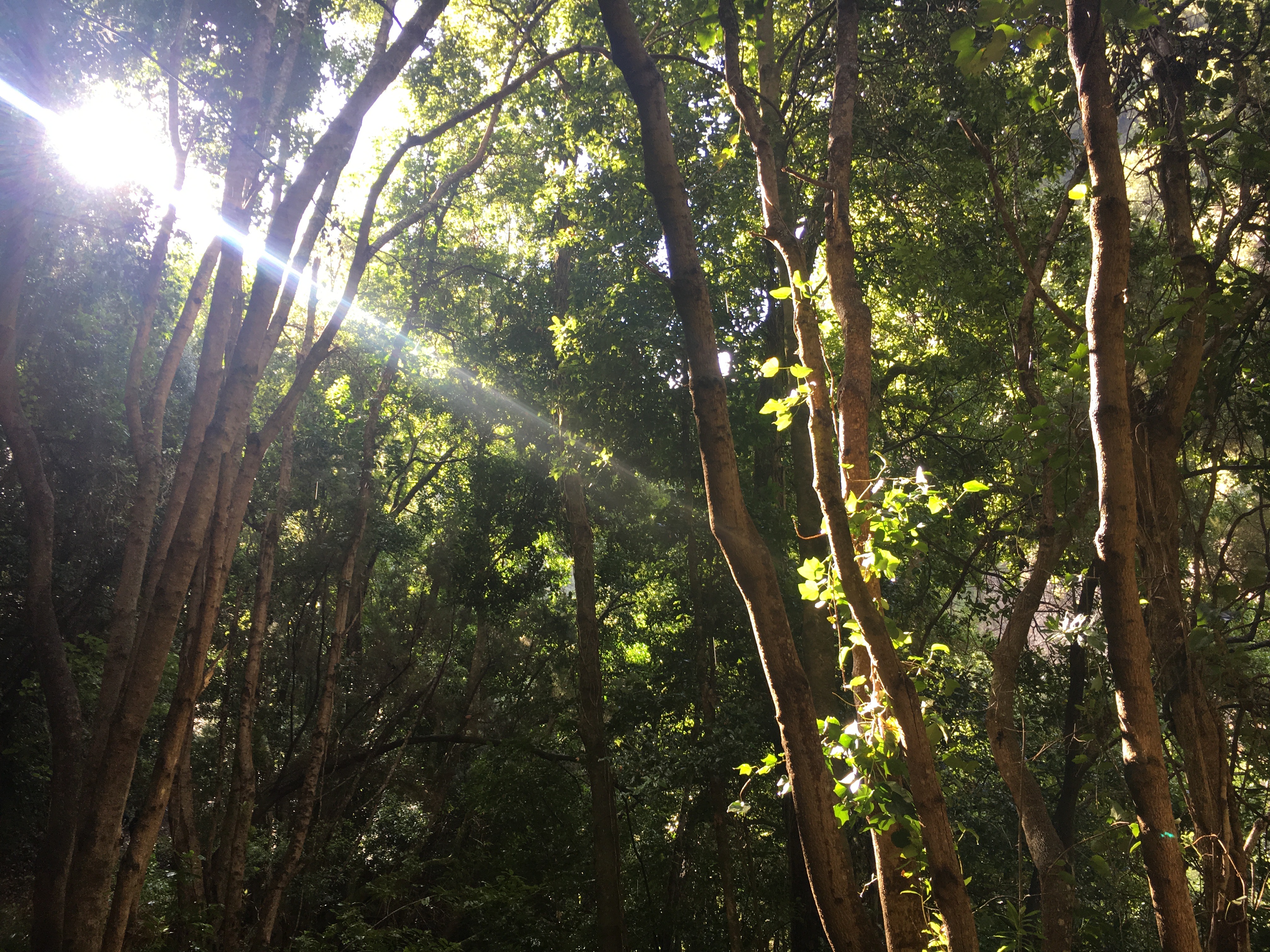
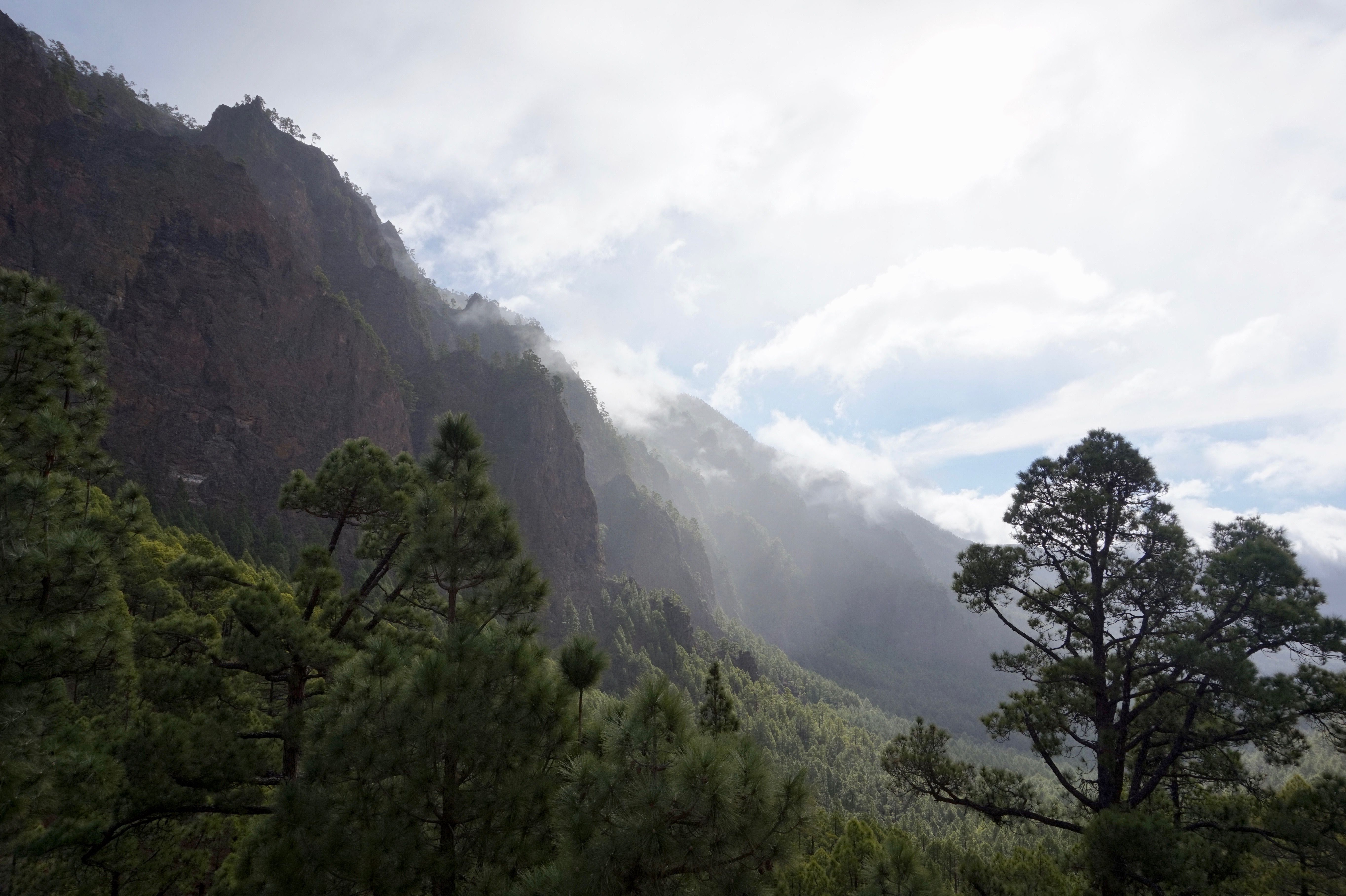
To experience the full bounty of volcanic soil, however, you need to head to the island’s lush and humid north, in San Andres y Los Sauces, where the pines and bougainvillea that dominate the temperate mid-region give way to poinsettia trees and ancient laurel forests. This was where we started to feel that we’d entered Jurassic Park, and not entirely without reason: thanks to its unique combination of altitude and ocean trade winds, this area has a microclimate that was typical of the Cenozoic Era (some 65 million years ago), which — nerd alert — is exactly when the dinosaurs died out.
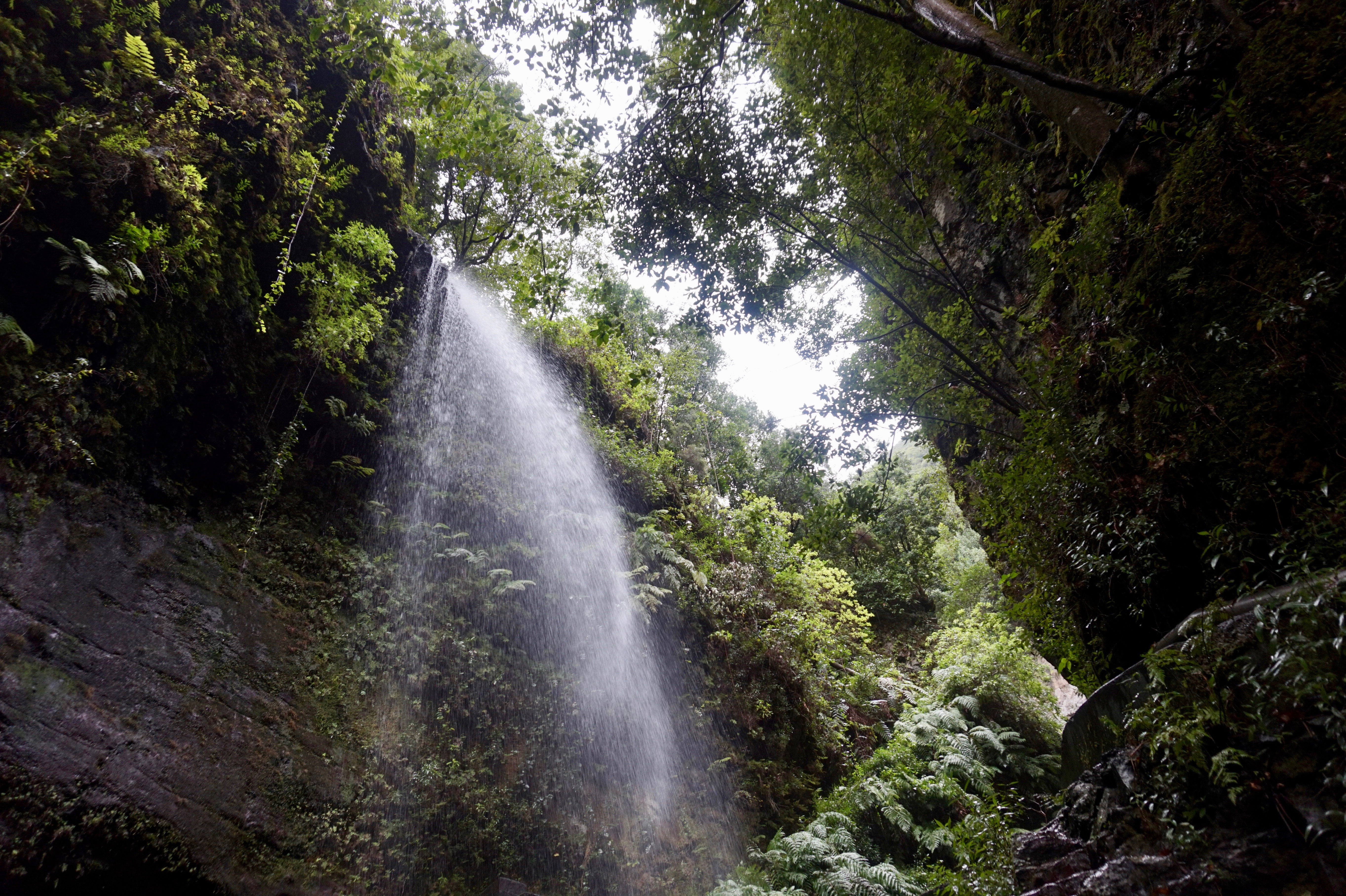
Foolishly on our part, we were unprepared for wet weather, but decided to hike the Los Tilos forest anyway and were glad we did. At the visitor center, we were directed to an easy, but invigorating, 2km trail that culminated in a breathtaking view over the treetops. But the highlight, following a comforting lunch of roasted goat at the visitor center restaurant, was a short trail along a water channel that led to the spectacular Los Tilos waterfall.
Not far from Los Tilos, at Puerto Espíndola, the Aldea Rum Distillery pays tribute to the sugarcane that also once flourished in this area’s fertile soil. In the 20th century, sugarcane died out on La Palma as tomatoes and bananas became its principal cash crops, but Aldea has preserved the unique tradition of making rum with first-press, fresh sugarcane juice — rather than a molasses byproduct, which is more typical of Caribbean rums. We caught a glimpse of the equipment used to press the sugarcane in the distillery, but of course, the highlight was sampling the final product in the tasting room.
Caldera de Taburiente and Roque de los Muchachos
By the time we got around to visiting the Caldera de Taburiente National Park, we were already so overwhelmed by natural beauty that we wondered what could possibly impress us at that point. Were we ever in for a surprise.
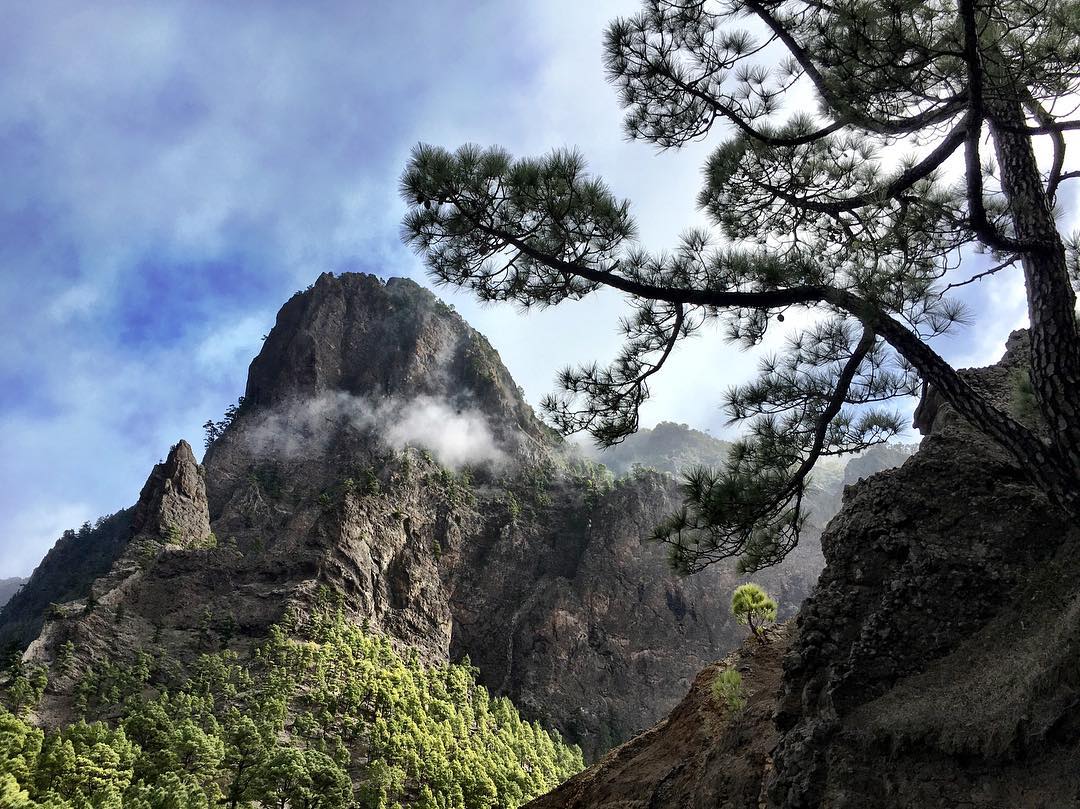
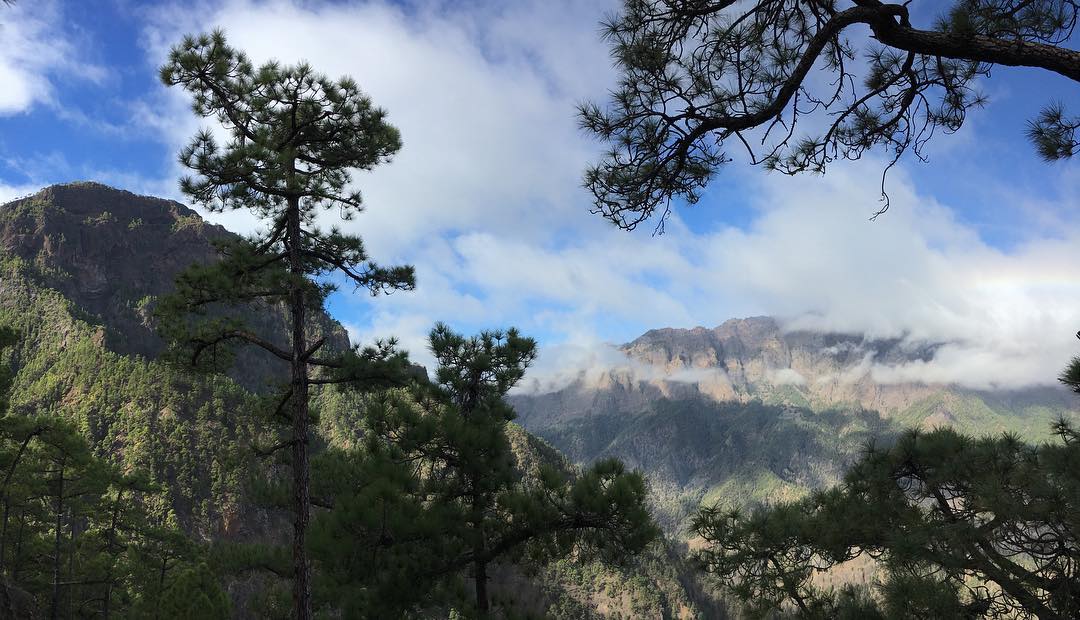
A massive mountain crater in the heart of the island, the Caldera de Taburiente is a hiker’s paradise, with dramatic rock formations, deep ravines, majestic pines, colorful waterfalls and trekking routes of every length and difficulty level. Upon a local’s recommendation, we stopped by the park’s visitor center in El Paso the day before to plan our visit, which turned out to be good advice: you need to pre-book parking, and while you can do this over the phone, the knowledgeable guides can help map out routes suited to your interests, time constraints and appetite for challenge.
One of the most popular treks is the relatively easy, 14km trek from Los Brecitos, but since we had our sights set on making it to Roque de los Muchachos for sunset, we opted for two shorter walks instead. Per the guide’s advice, we arranged to visit La Cumbrecita in the morning, before the clouds roll in, to take in some of the most beautiful views of the Caldera. In the afternoon, we took a trail through the Barranco de las Angustias (Ravine of Anguish), which culminates at the Cascada de Colores (Waterfall of Colors).
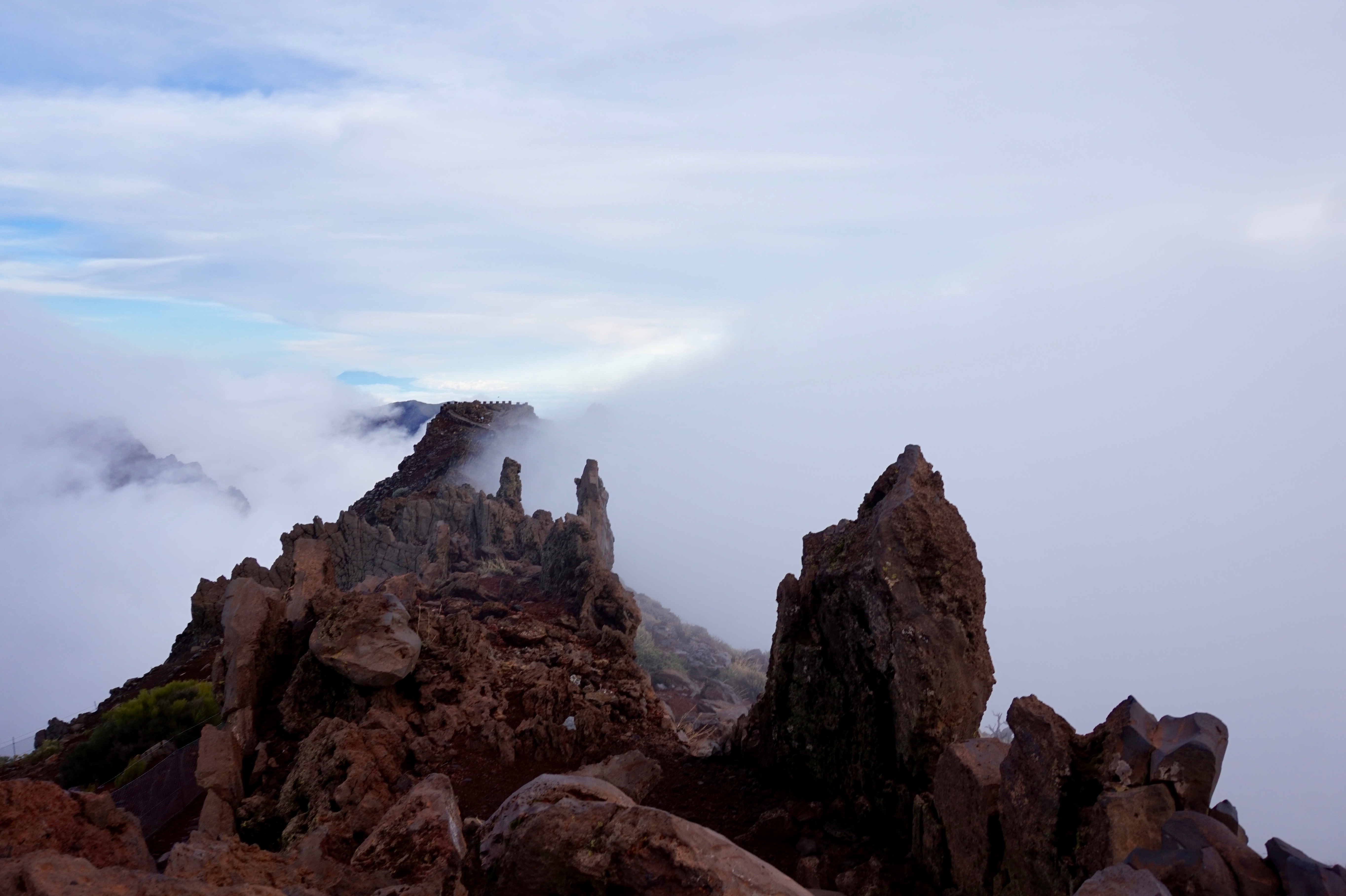
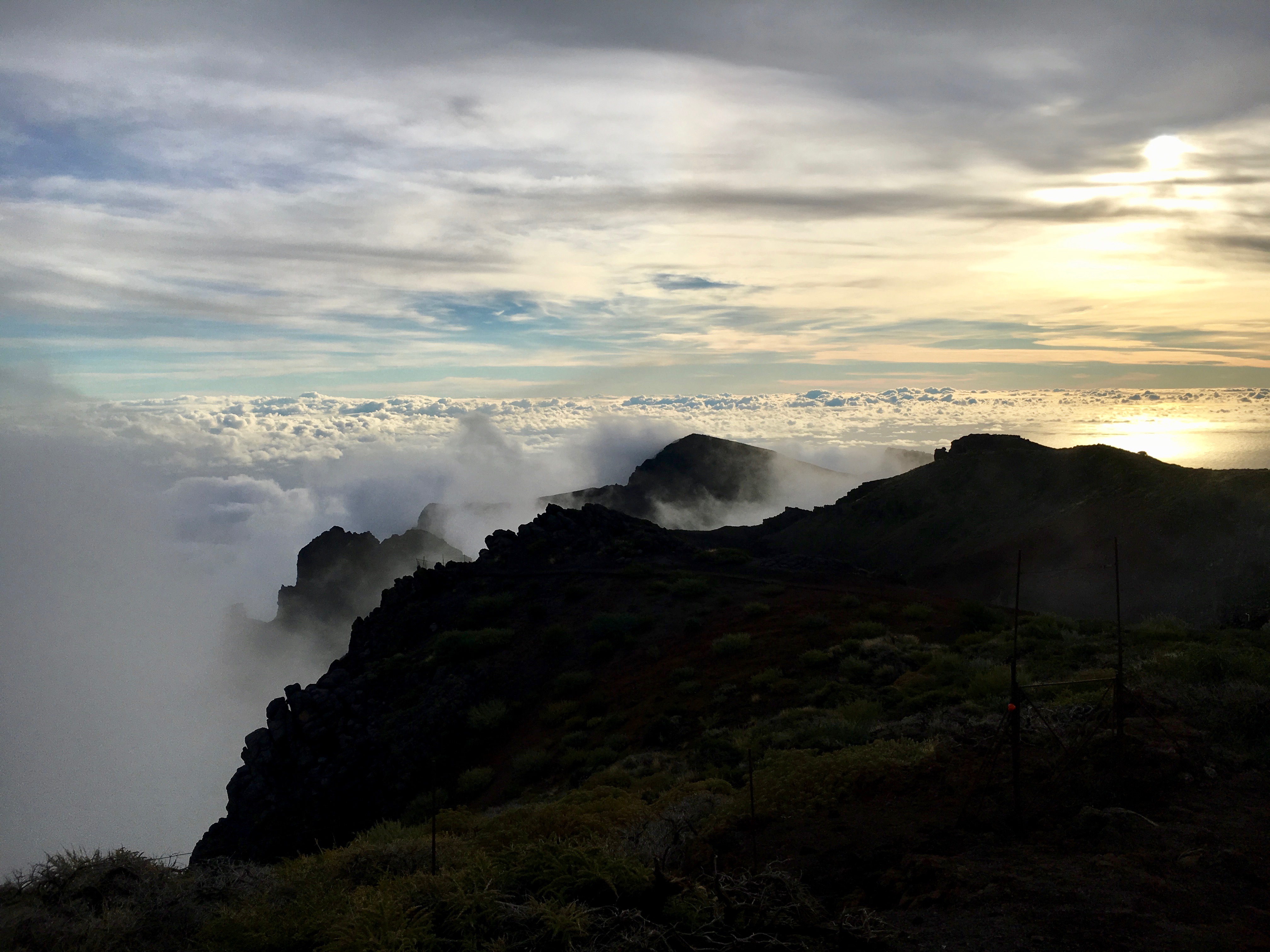
Once again, we found ourselves gobsmacked by what we’d seen, but nothing could have prepared us for what awaited at Roque de los Muchachos — yes, the astronomical observatory I mentioned earlier, of “maybe it’s nice” infamy. Having checked the site’s handy webcam to ensure clear conditions (something I strongly recommend if you’re going to make the long, harrowing drive up there), we rounded one hairpin turn after the next until we suddenly found ourselves above the cloud line.
Finally, a giant, mushroom-shaped telescope — one of 15 scattered along the ridge — announced that we’d reached our destination. And what a destination it was: we had such an adrenaline high that we didn’t even notice the brutal cold and wind — we were too thrilled to have arrived at the junction of heaven and earth.
Why I’d go back
Before we’d even left La Palma, we already found ourselves planning our next trip back. Riccardo was even checking real estate prices. For all we saw — and would happily see again — there was still so much more to do and discover, including:
- Numerous treks through the southern volcanoes, northern forests and Caldera de Taburiente
- Star gazing, whale watching and wine tasting excursions
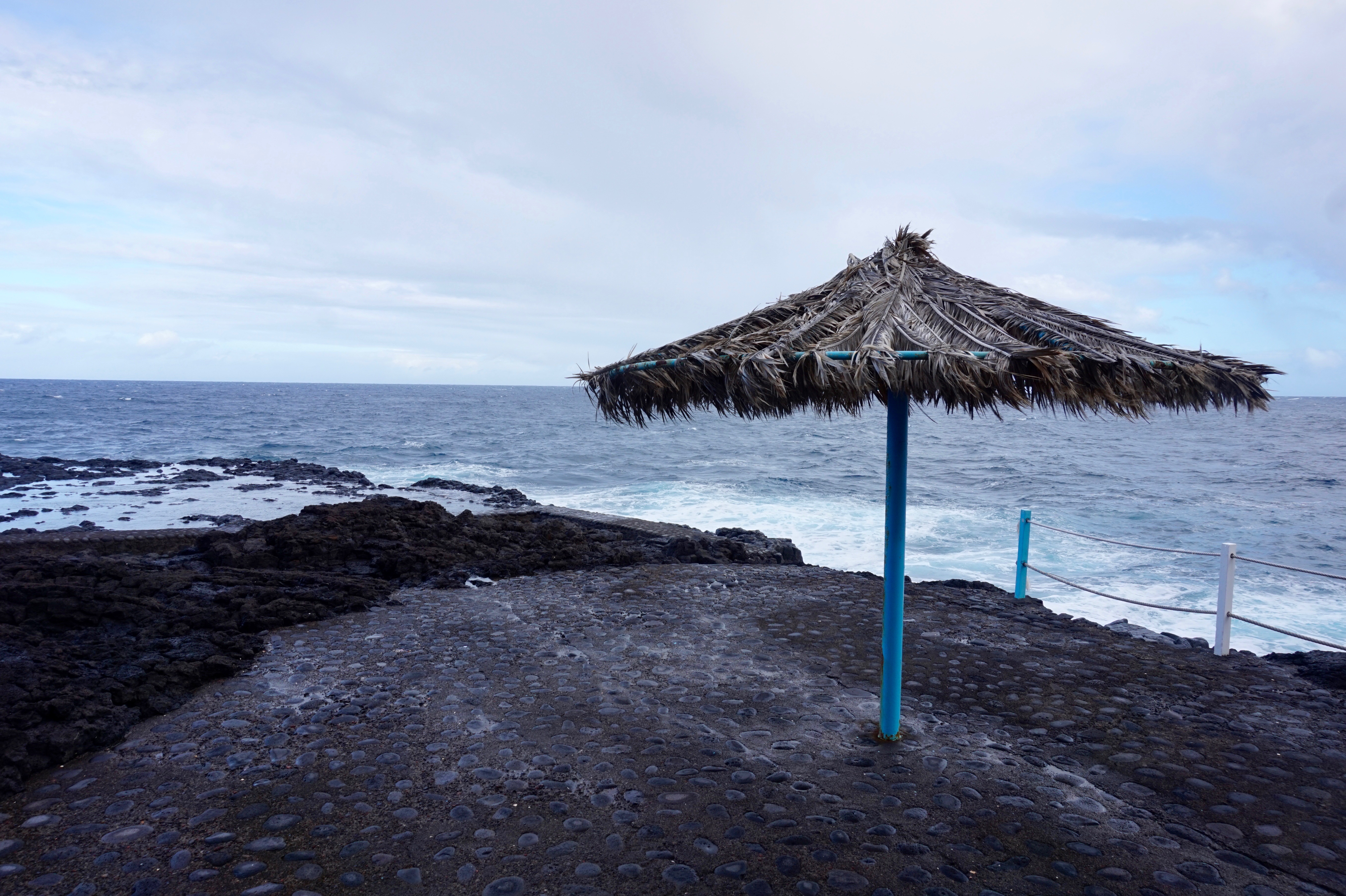
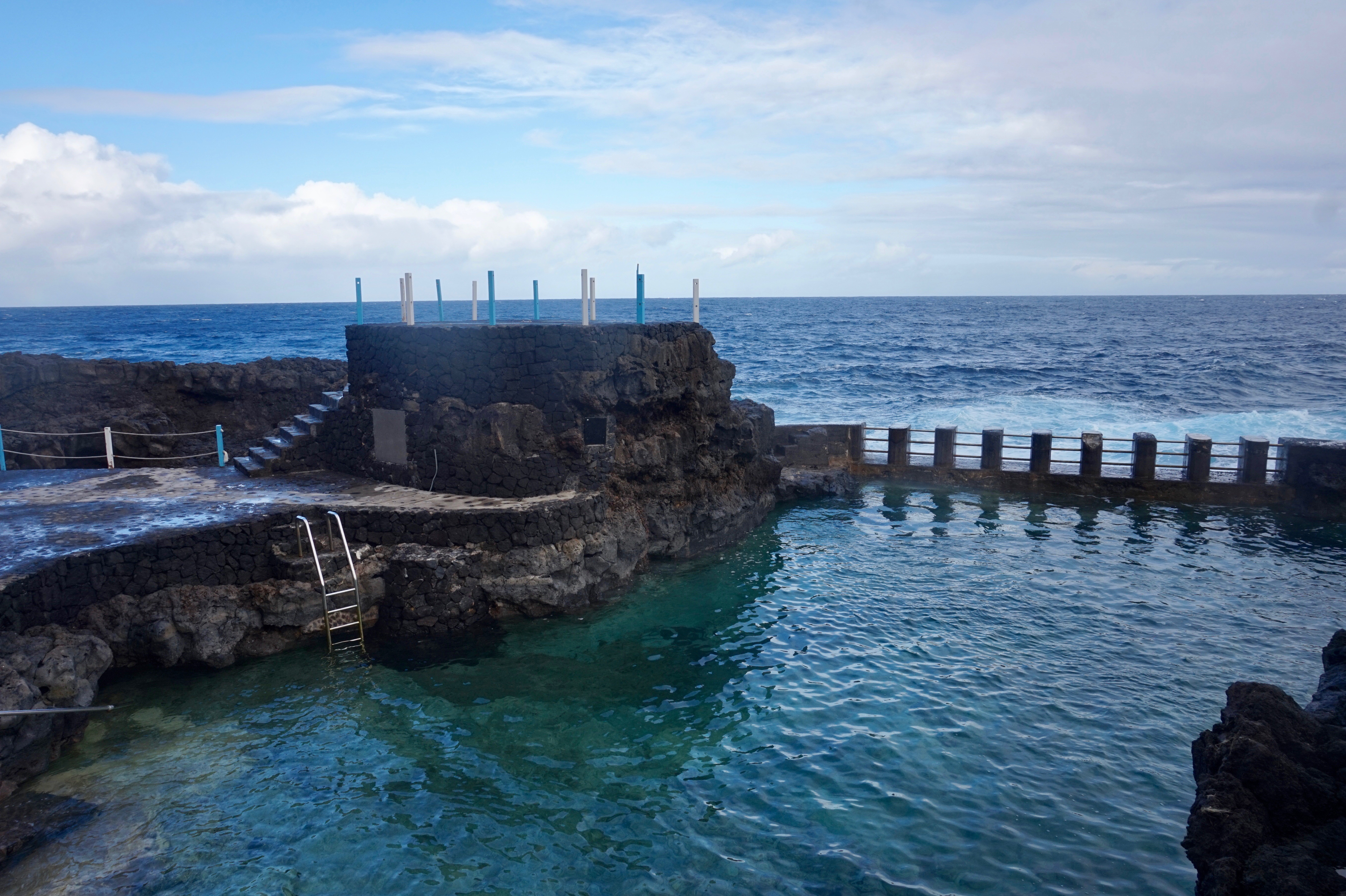
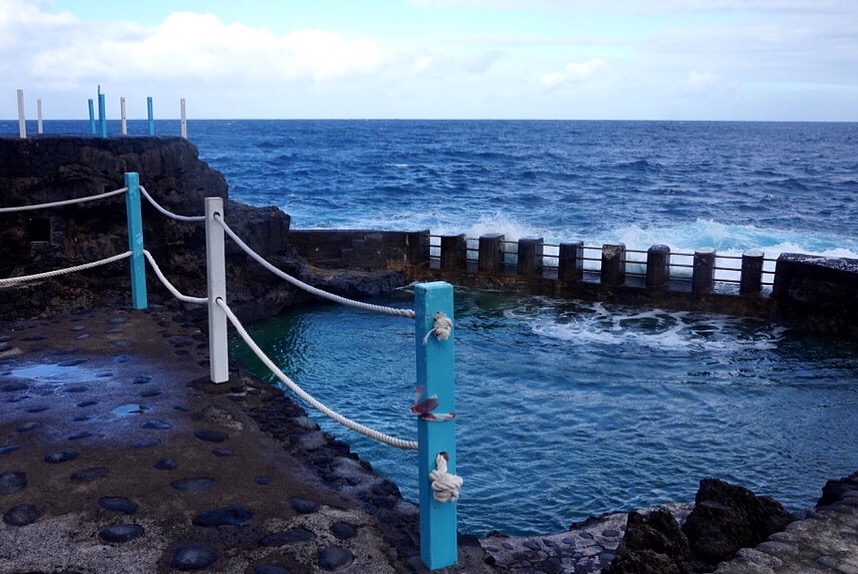
- Bathing in the natural swimming pools at Charco Azul
- The vibrant city of Los Llanos and cute port towns of Tazacorte and Puerto Naos, where our time was sweet, but too short
- Several museums and cultural sites, including the prehistoric La Zarza rock carvings in Garafía, the Archeological Museum in Los Llanos and the Silk Museum in El Paso
Top tips
- Pack for all weather conditions and temperatures, no matter what time of year you go. Don’t bother bringing high heels.
- If you stay in Santa Cruz, stay directly in historic center. Lodgings are admittedly limited there, but there are some good options on Airbnb. There are more hotels in the nearby resort of Los Concajos, but if it’s authentic charm you’re after, this made-for-tourists holiday village is not for you.
- Make restaurant reservations in advance, including for weekend lunch.
- Be aware that while the roads are generally well sign-posted and in good condition, many are narrow, winding and poorly lit.
- Call or visit the Caldera de Taburiente Visitor Center in El Paso at least a day in advance to plan your visit and, most critically, pre-book your parking.
- Before visiting Roque de los Muchachos, check weather and visibility conditions by calling or checking a webcam.
- A car gives you the most flexibility for getting around the island, but if you’d rather not drive, the island’s extensive guagua bus system could provide a good alternative.
 THE JAUNT